Food has always been about more than nourishment. It brings people together, sparks memories, and adds enjoyment to each day. As we get older, good nutrition continues to play an important role in helping us stay active, independent and well.
While our nutritional needs naturally evolve over time, eating well remains one of the most effective ways to support overall health and quality of life. The right balance of nutrients can help maintain strength, support brain health, boost immunity and keep us feeling our best.
Supporting Health Through Good Nutrition
Every stage of life brings change, and later life is no different. Some people may notice changes in appetite, taste preferences, or eating habits as they age. From our fifties onward, gradual changes can alter the way we digest, absorb, and use nutrients. These include:
- Appetite decreases as the hormones that trigger hunger (like ghrelin) become less active.
- Taste and smell can dull.
- Dental issues, dry mouth (a common side effect of many medications), and swallowing difficulties can all make eating harder.
The good news is that with thoughtful meal planning and nutrient-rich foods, you can continue enjoying delicious meals while supporting the body’s changing needs.

The Benefits of Eating Well
Protein supports strength and mobility
- Protein helps maintain muscle mass and strength, supporting confidence and independence in everyday activities.
Omega-3s and antioxidants support brain health
- Nutrients such as omega-3 fatty acids, B vitamins and antioxidants contribute to cognitive wellbeing and healthy brain function.
Calcium and Vitamin D support strong bones
- Together, these nutrients help maintain bone health and support an active lifestyle.
Fibre supports heart and digestive health
- A diet rich in vegetables, whole grains and healthy fats can support cardiovascular wellbeing and digestive comfort.
Vitamins and minerals support immunity
- Nutrients including zinc, selenium and vitamins C and E help the body stay resilient and well.
Food Is One of Life’s Great Pleasures
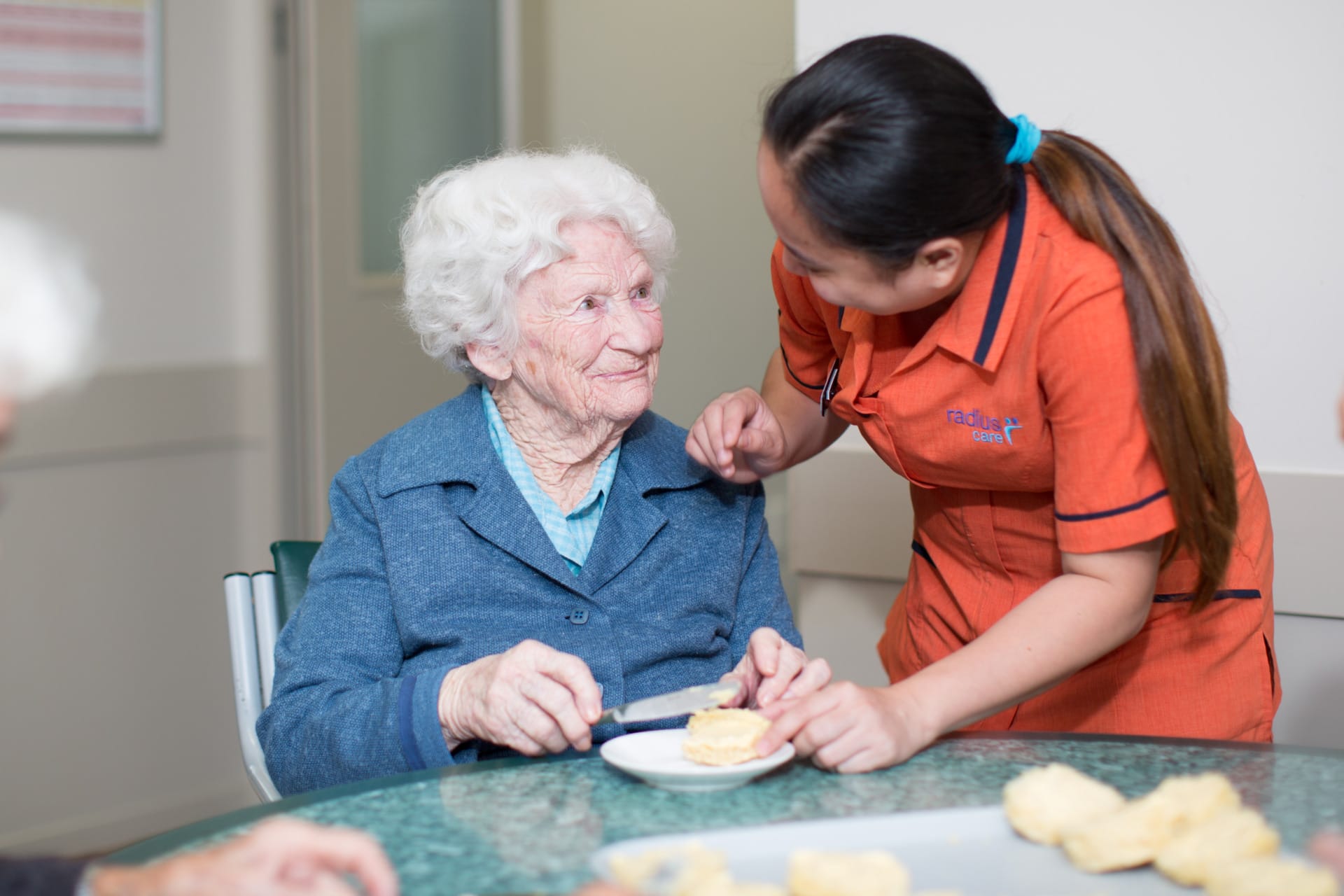
Our menus are developed in consultation with independent dietitians to ensure residents receive balanced, nutritious meals, but just as importantly, meals they genuinely look forward to. We update our menus every season, and have a four-week rotation, and we also offer choice at mealtimes and work closely with residents to understand their preferences.
Food is personal. It’s shaped by culture, family traditions and favourite recipes collected over a lifetime. That’s why we take care not only with what we serve, but how we serve it. From presentation and variety to accommodating individual dietary needs, our goal is to make every meal both nourishing and enjoyable.
We often say that a care home is a resident’s home, and food should feel like home too.
More Than a Meal
Some of the best conversations happen around a dining table. Meals create opportunities to connect, share stories and enjoy time together.
At Radius Care, our kitchen teams, nurses and care staff work together to ensure every resident is nourished in every sense of the word. Families are always welcome to join their relatives for a meal and experience firsthand the care that goes into every plate.
Because good food is about comfort, connection and continuing to enjoy life’s everyday moments. Learn more about life at Radius.
Have questions about nutrition, our meal programmes, or how we support the wellbeing of our residents? Contact the team today, we’re always happy to have a chat.
Good food matters. Not just for nutrition, but for pleasure, comfort and the simple enjoyment of something that tastes genuinely good. It shapes the rhythm of the day and makes a real difference to how at home you feel. The kitchen prepares fresh, seasonal meals every day using quality ingredients, cooked properly. There are three main meals: breakfast, lunch and dinner, plus snacks through the morning, afternoon and evening. Residents can choose from two dinner options each day.
Our kitchen puts real thought into what ends up on the plate. That means meals rooted in the food our residents grew up with: a proper roast, a good pudding, the kind of baking their mums made and they made themselves. We also cook with the seasons and the region, using local produce that reflects where you live. More swedes in Southland, more kumara in Northland.
Menus rotate on a four-week cycle and are refreshed four times a year, approved by an independent dietician. We cater for dietary requirements, allergies and cultural preferences. For residents who need texture-modified meals, we prepare fortified pureed food.
If there is something you particularly enjoy, or something that does not work for you, tell the team. A good meal is one of the genuine pleasures of the day and we want it to stay that way.
Walk into a Radius Care home on any given day and you’ll find residents arranging flowers, heading out on a local trip, joining a music session, baking, painting, playing housie, welcoming visiting children, or simply sitting together over a cup of tea.
Our Diversional Therapists and Activity Coordinators are some of the quiet magic-makers in our homes. They get to know each resident’s personality, routines, history, humour and interests, then create activities that feel meaningful to them. That might be helping in the garden, finishing a craft project, joining an exercise group, or listening to 1930s jazz.
What is Diversional Therapy?
The practice of Diversional Therapy (DT) centres enriching activities to support and improve a person’s wellbeing. DT is person-centred, working with each individual’s needs to incorporate activities that build emotional, mental and physical wellbeing. Activities range widely, and can include physical, leisure, social and cognitive tasks – all tailored for the individual. Radius Care’s experienced Diversional Therapists work closely with residents and carers to develop and adapt individual plans, starting from the moment we welcome a new resident into our community. A care plan is developed in collaboration with the resident, and their family, and is a living plan that evolves as a person’s needs change. DT recognises that every person, at every age and stage, has the right to varied, meaningful and enjoyable activities that improve quality of life.
Why it Matters
The benefits of Diversional Therapy are immense. Structured, meaningful leisure and recreation programmes lead to:
- Reduced rates of depression and anxiety
- Slower cognitive decline in people living with dementia, particularly through music-based and reminiscence activities
- Improved sleep quality
- Greater sense of autonomy and self-worth
- Stronger social bonds and reduced boredom or loneliness
Significant in Dementia Care
For residents living with dementia, a varied activities schedule is extremely beneficial. Memory may fade, but the capacity for emotion and sensory experience remains. A person who can no longer recall a family member’s name may still light up when they hear a song from their youth, or feel proud completing a familiar task like painting or kneading dough.
Our DTs are trained in person-centred dementia care and work closely with families to understand each resident’s life story. Their history, their career, their passions, their cultural background, their sense of humour, it all becomes the foundation for every interaction. We are not just managing a condition, we are honouring a person.
What Families can Expect
When a loved one moves into one of our care homes, our team will meet with them and with family members where possible. This initial conversation is about getting to know the whole person: what they love, what they have done, what still brings them pleasure, and what new experiences they might like to try.
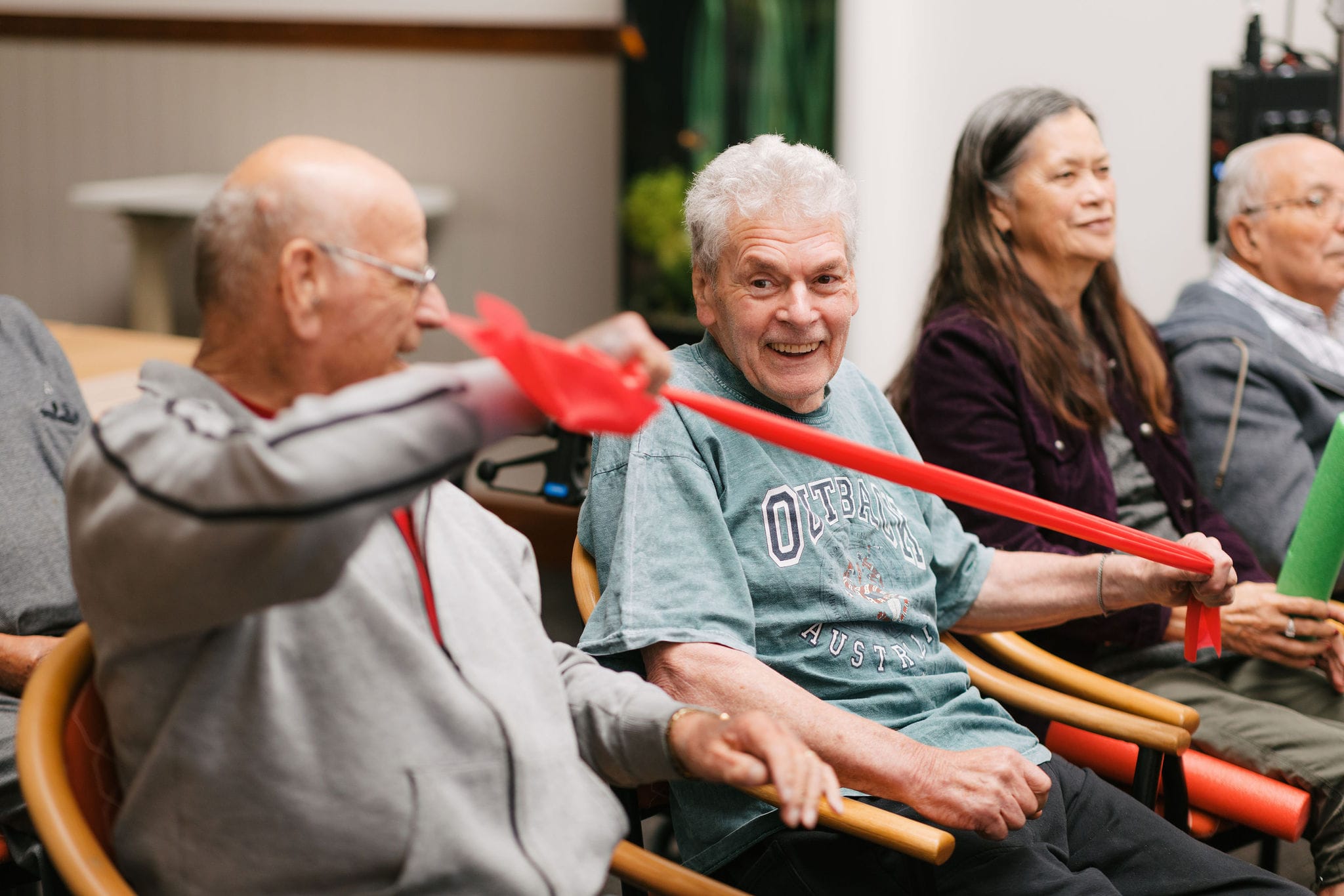
From there, we work closely with physios, health assistants and care staff to develop a diverse activity plan that enhances residents’ strength, balance and mobility, as well as encouraging cognitive stimulation. The activities are always varied and reviewed regularly. Families are invited to be part of this, your insights are invaluable. And you are always welcome to join in. Family members often tell us that sitting alongside their parent in a craft session, or singing together in a music group, creates the best moments when they come and visit.
The People Who Bring the Day to Life
At Radius Care, we are incredibly proud of our Diversional Therapists and Recreational Coordinators. Their work brings colour, rhythm and personality into our homes every day.
They are the ones who remember that a resident used to love dancing, that someone else prefers to sit near the piano, that another resident lights up when children visit, or that a simple hands-on activity can bring back a sense of confidence and pride.
A good activity programme is never just a calendar on the wall. It is a living part of the home. It changes with the residents, the seasons, the local community and the little moments that make each day feel worthwhile.
As our Recreational Coordinator, Helen Baverstock, puts it:
“We’re here to enable residents to live their best life; enable them to do things they never would at home, take part in something different. To learn something new and bring some joy into their lives.”
This is what meaningful activity looks like at Radius Care: connection, confidence, joy and belonging, woven into everyday life.
Discover life at Radius
If you would like to learn more about life at Radius, explore our website or contact our friendly team for a chat.
By Sarah Skinner
Care Home Manager, Radius Hawthorne
People often describe dementia as “the long goodbye”, and I think that rings true for a lot of families. The grief while caring for someone with dementia builds slowly, and it changes shape over time. Because the person is still physically here, many families struggle to give themselves permission to actually call it grief.
But it is grief. It can be grief for the personality that’s been lost, grief for the easy rhythm a relationship once had, and grief for a future that may now look very different from the one everyone had imagined.
Over the years, I have seen families carry all of that while also telling themselves they should be coping better, feeling less, or somehow managing it all more gracefully. That can be a very lonely place to be, and families carry so much guilt.
Am I visiting enough?
Am I doing enough?
Am I making the right call?
I hear these questions all the time, and my answer is still the same. There is no perfect way to do this. You can only do the best you can with the help, tools and understanding you have of the reality in front of you.
The relationship changes, but it doesn’t disappear
Families can spend so much energy trying to get back to the way things were that they miss what is still there, just in a different form. A person living with dementia may not respond in the way they once did, but that does not mean they are unreachable.
I have seen how strongly people still respond to warmth, rhythm, music, touch, familiarity and emotional tone. In fact, I often think your emotional state matters more than your words. Someone may not follow every sentence, but they can absolutely pick up on tension, calm, joy and reassurance.
That is why I do not think a good visit should be measured by whether someone remembered your name or followed every detail of a conversation. Sometimes a good visit is just sitting together without pressure, looking through old photos, listening to music, or talking about something familiar from many years ago. I have seen plenty of people lose speech and still remember music. Somewhere in the middle of all that change, the words to a familiar song can still come rushing back. For families, moments like that can feel like gold.
One of the biggest shifts I encourage in families is to stop waiting for the old response or reaction, because it may not come. There can be real relief in letting go of that old script and paying attention to what still works. When families stop trying to pull the relationship backwards, they often find there is still plenty of life in the present. It just speaks a different language.
There is still room for humour
Dementia can create moments that are confusing, unexpected and, yes, genuinely funny. A resident misreads a situation, or someone comes out with a completely left-field comment that catches everyone off guard. Families often freeze in those moments, unsure whether they are allowed to laugh.
Most of the time, I think laughter is exactly the right response. Not because dementia is funny, but because it is human to make mistakes. Life is still full of odd moments, even in the middle of hard things. A bit of humour can break the tension, bring everyone back into the room, and remind families that the familial warmth has not disappeared.
At Hawthorne, we also help prepare residents for family visits, especially when loved ones are visiting from overseas or after a long gap. Those small steps help build familiarity and gives everyone a better chance of connecting well. This is something families can also do at home, especially in the earlier stages of dementia. Taking time before a visit to talk about who is coming, sharing photos, or revisiting memories can help reduce anxiety and make those moments together feel more natural and relaxed.
Get support early
If I could give families one practical piece of advice, it would be this: get help sooner. A good place to start is your GP, who can guide you through next steps and refer you for a Needs Assessment and Service Coordination (NASC). This helps determine what level of support you or your loved one may be eligible for, including home support, respite care, or longer-term care options.
Support can take many forms. It might be respite care, day programmes, planning ahead, or simply having someone to talk things through with. I also think it is important to recognise that the carer and the person living with dementia often need different kinds of support, and both need to be taken seriously. There are also excellent organisations across New Zealand that specialise in dementia support, like Dementia Canterbury and Alzheimer’s New Zealand.
Connecting with others also makes a real difference. Dementia-specific support groups give families a chance to share experiences, learn from others, and feel less alone in what can be a very challenging journey. I always encourage families to focus not only on what is changing, but also on what can still be strengthened and what can be done to prepare. That shift in mindset does not remove the hard parts, but it can make the road ahead feel less overwhelming and more manageable.
Sarah Skinner has spent more than 35 years working in aged care, beginning as a caregiver before becoming a registered nurse and later moving into management. As Care Home Manager at Radius Hawthorne, she is passionate about creating a warm, supportive environment where residents feel comfortable, valued and cared for. She has a particular interest in dementia care and believes strongly in helping families see the person beyond the diagnosis.
Summer in New Zealand brings some of the best moments of the year. Like many Kiwis, you’ve probably noticed that as our loved ones age, handling hot weather requires a bit more thought. The good news? With some simple adjustments and smart planning, you can help yourself or your loved one stay comfortable, energised, and engaged throughout the summer months.
Staying hydrated and enjoying the sun safely
As we age, our bodies naturally change – we may feel thirsty less often, warm up quicker, or become affected by medications that influence our heat response.
Individuals with dementia often lose the sensation of thirst, then forget to drink water, or they may want to avoid the difficulty of finding the bathroom. This infrequent urination can increase the risk of getting an infection which can lead to other health implications, including acute confusion or delirium.
It is vital for you and your loved one to monitor hydration levels and look for subtle signs of dehydration or infection. You can find more information about recognising symptoms and providing care on reputable sources like Dementia NZ or Alzheimers NZ. Or if you have any queries feel free to reach out to one of our friendly team for advice and support.
Staying safe and comfortable at home
Sometimes the summer heat requires some practical adjustments to ensure you or your loved one is kept comfortable and safe at home.
- Place non-slip mats in bathrooms and kitchens where floors get wet frequently
- Check outdoor paths, steps, and decking are in good condition with secure handrails
- Ensure good lighting for evening and early morning movement, even with longer daylight hours
- Keep walkways clear of obstacles – especially when family visit with children
- Wear supportive footwear with good grip rather than jandals, particularly on smooth or uneven surfaces
- Use walking aids if necessary – there are many different types of walking aids, they provide freedom and stability, especially outdoors.
These precautions become even more important during the festive season when routines may change. If you receive Home Support services, your Radius Care specialist can help ensure you have everything needed to stay comfortable and safe.
Balance activity and rest
Summer in New Zealand is special – everyone deserves to enjoy it. Pace yourself, it’s wonderful to be part of celebrations, but it’s equally fine to have quiet time when you need it. Ensure you or your loved one sticks to routine where possible and try to keep regular meal times and sleep patterns.
You can utilise support resources, whether it’s from family or professional specialists, to help enjoy life more fully. Respite Care is beneficial over the summer period for quality short-term support. Or take advantage of Home Support – tailored support from the comfort of your own home.
Looking for support this summer?
If you’d like to chat about ways you or your loved one can stay comfortable and active this summer, or learn more about aged care services that could support independence at home, we’re always happy to have a conversation.
Our experienced team understands the unique challenges of caring for loved ones during the festive season and can provide tailored support to suit your family’s needs.
Learn more about Radius Care or get in touch for a friendly, no-obligation chat about how we can support you to enjoy summer to the fullest.
Aging brings many changes — not just for the individual, but also for families and caregivers. We’re here to make the process clearer, more compassionate, and easier to navigate. We’ve answered the 10 Most Common Questions we hear from individuals and families considering aged care services.
1. What types of aged care services are available?
Aged care is not one-size-fits-all. Services range from a few hours of help at home to full-time care in a residential setting. Read more about the variety of Aged Care Services provided at Radius Care.
2. How do I know if someone needs aged care?
This is often the hardest question. You might notice signs like:
- Difficulty managing daily tasks
- Frequent falls or medical issues
- Memory lapses or confusion
- Increased isolation or loneliness
If you’re unsure, an aged care assessment can provide clarity.
3. How do I access aged care services?
The process usually begins with a referral from your GP or a NASC (Needs Assessment Service Coordination) assessment. The NASC evaluation determines what type of care is needed and what government support or funding you might be eligible for.
Our team can help guide you through this step. Contact the free-call Advice Line, to ask any questions you may have.

4. How much does aged care cost?
Costs vary depending on the services you receive and your financial situation.
Government subsidies may cover a significant portion, and will be outlined following a NASC (Needs Assessment Service Coordination) assessment.
5. What’s the difference between In Home Support and Residential Care?
In Home Support allows individuals to remain independent and stay in their own homes with regular support, suited to their lifestyle.
Residential Care provides a higher level of daily care in a safe, staffed environment, often for those with greater medical or mobility needs.
6. Can I stay at home and still get help?
Absolutely. In fact, many people prefer it.
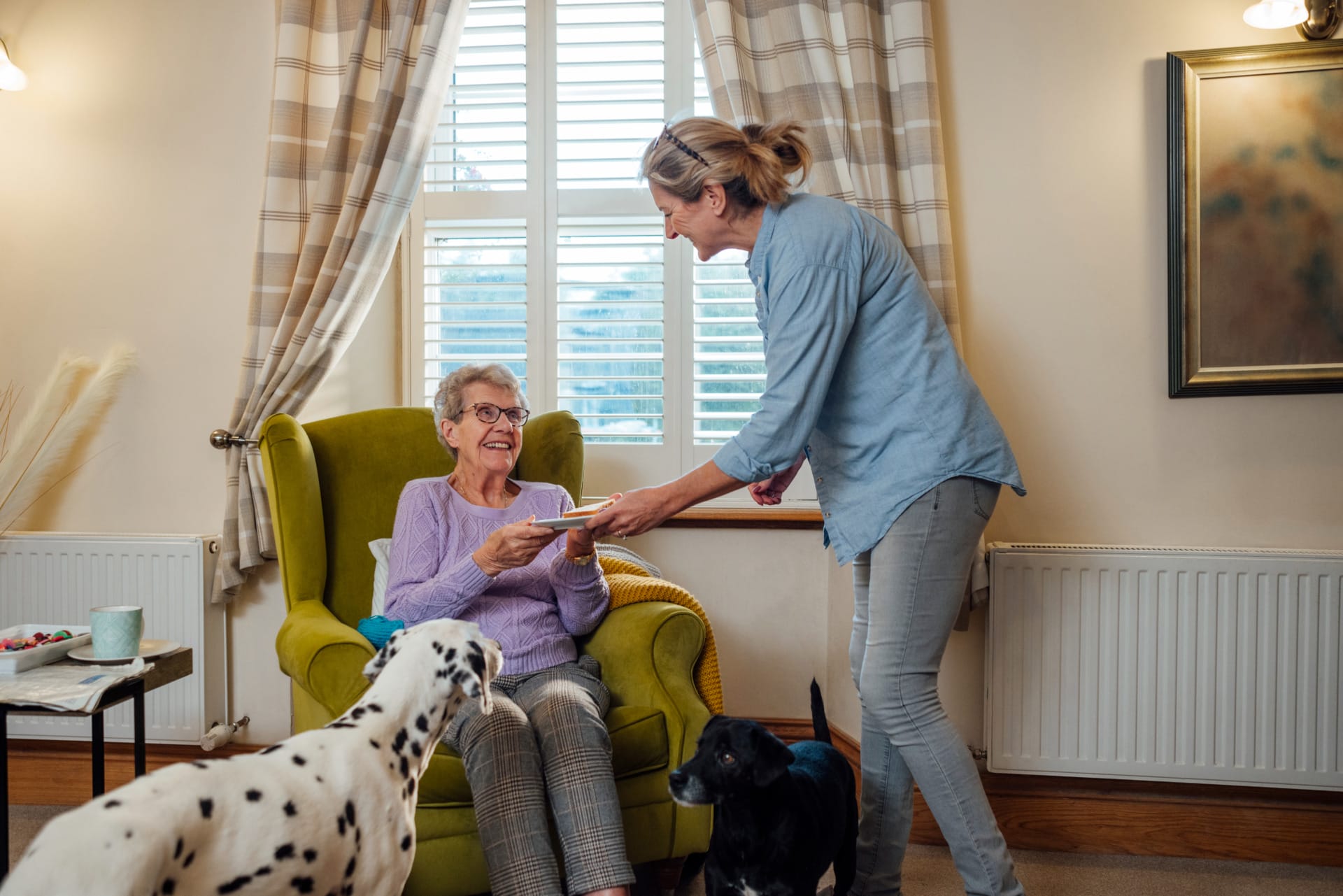
Through In Home Support, you can receive help with:
- Companionship
- At home care
- Personal hygiene
- Meals and nutrition
- Medications
- Light housekeeping
- Transportation and social activities
7. How do I choose the right aged care provider or facility?
Start by visiting facilities, reading reviews, and asking questions.
Look for:
- Qualified, caring staff
- Clean and safe environments
- Positive culture and values
- Good communication with families
The best care starts with trust, we invite you to tour any of our locations or contact the team for more information.
8. What are the steps to take if contemplating aged care?
Here’s a simple outline:
- Assessment (through NASC)
- Find the right provider for you
- If necessary, tour and apply to facilities
- Understand the fees and paperwork
- Start your individual care service
Our team is here to support friends and families at every step of the journey. If you’re unsure where to start, contact our free Advice Line to talk to a friendly expert.

9. What rights do aged care residents have?
Every individual in aged care is protected under the Code of Residents’ Rights, which ensures:
- Respect and dignity
- Choice and control
- Personal and health care tailored to individual needs
- Freedom from abuse
- Access to information and complaints processes
At Radius Care, we are committed to transparency, compassion, and advocacy for every person in our care.
10. What support is available for families and carers?
Caring for a loved one can be both rewarding and exhausting.
To help, we offer:
- Respite services: Quality short-term support in a safe and nurturing environment. This allows a person’s usual carer to take a break and also offers a refreshing change of scene for the individual.
- Resources to help navigate the aged care system
You’re not alone. We’re here to support families and loved ones involved, not just the person receiving care.
Let’s have a conversation
Navigating aged care doesn’t have to be overwhelming. Whether you’re planning ahead, need immediate help, or you’re just curious; our dedicated team are here to guide you every step of the way with clarity, compassion, and expertise.
Contact our team today or learn more about Radius Care.
Choosing the right care home for your loved one is a big decision. It’s about more than just a facility — it’s about finding a community where your parent, partner, or friend can feel safe, respected, and truly at home. One of the best ways to evaluate whether a care home is the right fit is by visiting in person and asking thoughtful questions.
To help you make an informed decision, we’ve compiled a list of the top questions to ask when visiting an aged care home.
1. What levels of care are provided? And are care plans personalised and reviewed regularly?
It’s important to understand whether the care home offers the type of support your loved one needs now, as well as what might be needed in the future. Be sure to ask about all areas; from personal care (e.g. bathing, dressing, grooming), medical care and medication management. It may seem daunting, but it is also beneficial to ask about what support they offer for dementia or other cognitive conditions too, as well as end-of-life and palliative care services.
2. What are the staff-to-resident ratios and qualifications?
The quality and availability of staff directly impacts the level of care and attention residents receive. Find out:
- How many staff are on duty during the day and night?
- Are there registered nurses or health professionals on-site?
- What training or qualifications do care staff have?
3. What does a typical day look like for residents?
Ask about the daily schedule or activity calendar planned for residents. A vibrant community should offer social activities, outings, and entertainment. These should reflect the residents’ interests and abilities, promoting well-being and engagement. There should also be opportunities for physical activity as well as quiet time and personal space. Where possible, families should also be encouraged to participate and be a part of their loved one’s routine.
4. What are the meals like?
A well-balanced diet and good nutrition is vital to our health, happiness and wellbeing. When visiting a potential place of care ask about what type of food is served; whether the meals are varied, flexible and accommodate to individual dietary needs. Check whether meals are prepared on-site, and if the produce is fresh and varied. Some homes will even invite you to sample a meal — take the opportunity if it’s offered!
5. What are the living arrangements like?
A personal visit can tell you a lot and is an opportunity for you to ask questions and observe the details that matter most, from the staff interactions to the overall atmosphere. During your tour make note of features like cleanliness and safety features (like handrails and call buttons) among other elements. Be sure to ask:
- Are rooms private or shared?
- Can residents bring their own furniture or personal items?
- Is there access to outdoor areas or gardens?
- Are rooms cleaned regularly?
6. How does the care home support family involvement?
Staying connected with your family is highly important, and the care home should encourage this as much as possible. Ask about the visiting hours and policies. Whether there are events or meetings for families, and how communication is handled, will you receive regular updates? Strong family involvement often leads to better outcomes and a more inclusive environment.
7. What are the costs and what’s included?
Understanding the fees upfront avoids future surprises. Good questions to ask revolve around the basic fees involved and what they cover. For example, you could ask whether there are additional charges for services or activities. Ask how is payment structured (whether it’s daily, weekly, or monthly etc)? In many instances you may be eligible for government funding or financial assistance, it is worth checking with the care provider whether this is available. A reputable care home will be transparent and willing to explain all costs clearly.
8. What happens if my loved one’s care needs change?
As time goes on, needs change and may increase. You or your loved one may require more specialised support. Some key questions to ask the care provider are:
- Can the resident remain in the same home if their condition worsens?
- What processes are in place to reassess and adjust care plans?
- Are there partnerships with external medical services if needed?
Continuity of care can reduce stress and promote stability for residents and families alike.
Trust Your Instincts
Finally, pay attention to your gut feeling. Do residents appear happy and well cared for? Are staff friendly and responsive? Does the environment feel welcoming?
Choosing the right aged care home is a deeply personal journey. Taking the time to ask the right questions can help you feel more confident and secure in your decision — knowing your loved one will be treated with the respect, kindness, and dignity they deserve.
Download our free checklist to take with you on your next care home visit.
Need help or want to book a tour at your local care home?
Our team is here to answer your questions and support you every step of the way. Contact our advice line today or learn more about life at Radius.
Asking for help is hard for all of us, but as age progresses, how do you know when it’s less a luxury and more a necessity to get more support? You will likely have an inkling if you, or someone you love, would benefit from additional care or assistance. But there are also several signs to look out for which may indicate that professional support would be beneficial for you.
Here we highlight the most common signs that indicate your loved one could benefit from additional care.
The most common signs your loved one needs additional care
1. Safety Concerns
Feeling safe in your own home is an obvious and essential requirement for anyone. We take all sorts of measures to ensure our homes are safe; from installing locks, gates, even CCTV cameras. But, as we get older it’s important to assess and recognise the potential dangers within our homes.
There are often unrealised dangers in the home which can be hazardous to ourselves or loved ones. Whether that’s unkempt living spaces and cluttered floors, or the lack of fall prevention measures (e.g. grab bars and non-slip shower mats). Features that may seem minor are often overlooked and can cause serious injury to ourselves or those we love. If you are concerned about hazard around the home it is worth researching for Tips to help make a home more safe for senior loved ones.

2. Cognitive Decline
Many common concerns surrounding aging relate to cognitive decline (memory loss, the loss of short-term memory) and dementia. If you or your loved one is experiencing forgetfulness, becoming easily confused or disorientated it would be worth talking to your GP for advice. Then, they may recommend contacting the Needs Assessment Service Co-ordination (NASC) team for an official needs assessment which determines the level of care support which will best benefit you/your loved one. Learn more about the different types of aged care services available, and the steps to take to apply for care.
3. Emotional and Mental Health Indicators
Living at home alone can sometimes feel isolating and can incite feelings of loneliness, depression and anxiousness. These feelings naturally impact both our mental and physical health and can affect an individual’s ability to care for themselves.
If you notice an individual has been withdrawing from social activities, not answering the phone, losing interest in activities they once enjoyed or experiencing sudden changes in mood, these could be signs they are struggling.
Our team are always available to chat and help you navigate your situation. We offer Respite Care services which provide quality short term support in a nurturing environment. In some instances, and dependent on an NASC assessment, respite care may be partially funded by the government through your local health authority. If you or a loved one are experiencing feelings of depression and anxiousness we recommend reaching out to your GP for further guidance.
4. Unhealthy Eating Habits & Poor Nutrition
We all know that a balanced diet, nutritional food and optimal fluid intake is critical to our overall well-being and general health. But living alone can sometimes lead to slipping nutritional standards or the reinforcement of negative habits. Missing meals, eating irregularly, or making poor diet choices all indicate an individual may benefit from additional support. Other key signs could also include: having little or no food in the fridge, a loss of appetite, uncommon weight loss or gain and the lack in motivation to prepare meals.

5. Falls and Injuries
As we age, we are much more prone to slips, trips and falls. Injuries such as fractures and head injuries can have a significant impact on our ability to remain safe at home. It’s important to look out for any unexplainable bruising or other injuries, these should be taken seriously when it comes to your loved one’s safety.
6. Medication Patterns
Many people require medication to manage various conditions. It is critical for medication to be taken as it is prescribed, at the right time and the right dose. If you notice an individual missing or mismanaging their medication this could be an indication for the need of additional assistance.
Our Respite Care services offer short term support by our committed health care professionals and nurses to assist with medication administration. In some instances, and dependent on an NASC assessment, respite care may be partially funded by the government through your local health authority.

7. Personal Hygiene
Neglecting to bathe, brush teeth, or change clothes regularly can quickly turn into unhealthy habits. We often find common factors like incontinence make people apprehensive about leaving home and socialising. Neglecting personal hygiene can lead to infections and more serious health issues later down the line. These could be prevented by spotting this sign early and seeking additional support.
8. Household Admin Issues
Difficulty with everyday household tasks like cleaning, cooking, or maintaining one’s home can often signal the need for extra support. It may look like spoiled food in the fridge, missed bills, a cluttered home, or laundry piling up. These can be signs of forgetfulness, or simply the results of low energy from having to juggle everything on your own. If you feel you or a loved one would benefit from extra assistance at home speak to one of our team to find an Aged Care Service solution that works for you.
________________________
If you notice several of these signs in yourself, a parent, friend or partner it may be a good time to have an open conversation about getting additional help.
Our team are always here if you would like to chat or need advice.
Call 0800 737 2273.
Or find a care home near you to get local support.
See our support video gallery for advice on how to talk to your loved one about care, and more information on what signs to look out for when someone might need more help.
While many people worry about seeking care for an ageing parent or loved one, it can be one of the most positive decisions you can make to support someone to continue living fully and well. Time and again, when we welcome a new resident into a Radius Care Home, we see many ways that their quality of life improves — physically, mentally and emotionally.
Here are just some of the benefits we can see for people who decide to come and make their home in a Radius care home.
Social Camaraderie and Interaction
Social isolation and loneliness is a significant issue for New Zealand’s elderly, as recent reports are highlighting. It is strongly correlated with ill health, cognitive decline, and depression, and in Aotearoa New Zealand 50% of those over 80 are lonely all or most of the time (according to Ageing Well, who share that research shows the health impacts of loneliness have been equated to smoking 15 cigarettes a day).
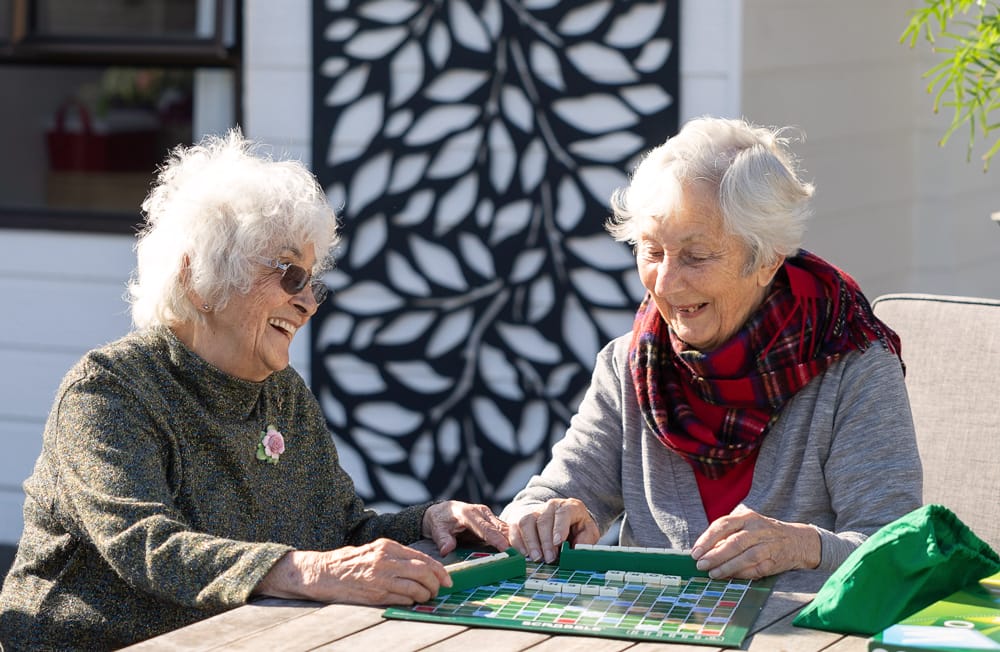
A care home environment provides a safe and positive place for daily companionship and social stimulation with other residents and with our warm and caring team. Our carers and nurses have close bonds with residents and get to know them well. Residents enjoy their own space when they wish for quiet time too, ensuring they have the balance they need to stay engaged.
Better Nutrition and Self Care
With carefully designed delicious and nutritionally balanced meals prepared by our on-site kitchen teams, our residents can enjoy wholesome meals morning, noon and night, without having to worry about food shopping, cooking or the dishes. Acquiring Cibus Catering this year we can now even more confidently ensure consistency and quality in food and beverage. We change our menus regularly, and offer a culture-specific menu, to make sure that varying tastes and needs are catered for; because food enjoyed is a body well-nourished.
Improved Hygiene and Health
With custom-designed facilities, and an experienced, supportive team on-hand, a care home provides a safe environment where residents can get help when they need it, and an easier way to manage daily hygiene tasks. Our teams also make sure medications aren’t forgotten, and any unexpected bumps, bruises or falls are avoided or swiftly taken care of. Assistance can be as much or as little as is needed, from dressing and showering, to simply delivering a warm cup of tea and having a chat.
Activities and Outings
Many people living alone lose motivation or the ability to keep up with activities and outings. In a care home, we make it easy to keep actively participating at a level that suits each individual. With an onsite activities manager, a custom-fitted van for excursions and a wide-ranging activity programme at every home, we make sure residents stay active, interested and engaged with life. Our care homes are active parts of their wider community too, often having visiting school children or groups, and taking residents out to participate in events and activities and continue enjoying life.

Increased Independence
Quite the opposite of what many people assume to be the case, we find many of our residents are empowered by the support provided in a rest home, and begin regaining capability and energy to stay active. Freed from the pressures of managing their home, cooking meals, or worrying about daily decisions around finances, shopping and so much more, residents can focus on socialising with other residents, pick up favoured hobbies again, and even regain or maintain mobility with the support of our daily physical activity programmes and the cognitive exercises facilitated by our teams. Read about Janice, a resident at Hawthorne, and her inspiring story of physical recovery here.
Cognitive Support & Stimulation
With daily pressures reduced, anxiety and stress are alleviated. Our expert carers and nurses are trained in methods to support residents in remaining active, engaged and mentally fit – and with daily contact they can observe and find ways to tailor care to each resident’s needs, meaning together we can get the level of activity just right to inspire residents to engage more deeply.
Quality Time With Family
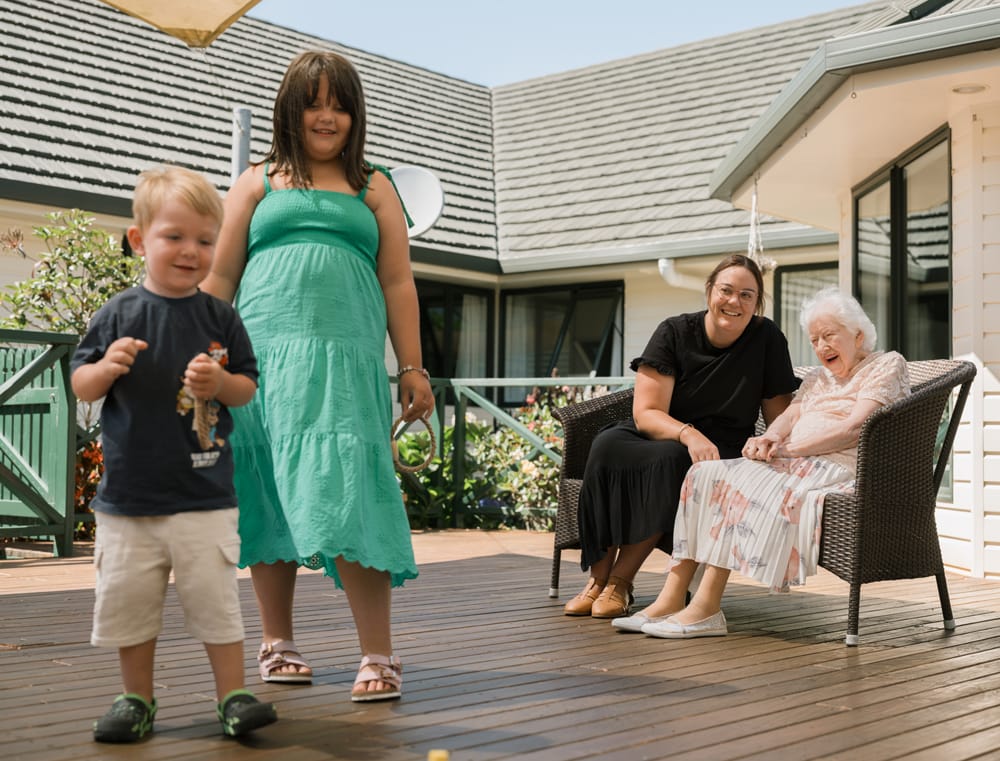
When care is provided by the experts, families are freed to enjoy the time spent with their loved one, ensuring it is quality time rather than simply providing support. Some of our short-term Respite residents find that the change of scene is a life-changing experience for both the person receiving care, and their family and support network. For full-time residents, their families know they’re always welcome to come and spend time and enjoy a cuppa here and feel right at home, too.
Financial Safety
In a safe supported environment, residents have surety around ongoing costs, and can put money decisions aside for their day to day. Families can feel confident we’re looking out for residents’ best interests – with our safe location and our vigilant team ensuring they can’t be targeted by scams or exploitation via telephone, and removing issues surrounding money management or forgotten bills.
For higher levels of care, the reassurance of knowing your loved one is safe and being offered high quality medical care and expert support in an environment designed to cater to their needs, can relieve the weight of worry too.
________________________
If you’ve been noticing some changes in an elderly loved one — whether it’s their mood, appearance, energy, or ability to participate in life as they used to — a little extra support could make a big difference.
We’re always here if you would like to chat or need advice.
Call 0800 737 2273.
Or find a care home near you to get local support.
See our support video gallery for advice on how to talk to your loved one about care, and what signs to look out for when someone might need more help.